

Germany
Get game alerts
Team Information
- Location
- Charlottenburg-Wilmersdorf, Germany
- Capacity
- 74,475
- Opened
- 1936
- Time zone
- UTC +01:00 Central European Time (CET)
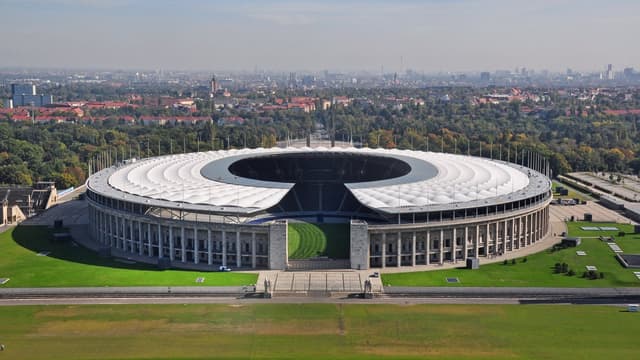
The Olympiastadion (also known in English as the Berlin Olympic Stadium or simply the Olympic Stadium, is a sports stadium at Olympiapark Berlin in Berlin, Germany. It was originally designed by Werner March for the 1936 Summer Olympics. During the Olympics, the record attendance was thought to be over 100,000. Since renovations in 2004, the Olympiastadion has a permanent capacity of 74,475 seats and is the largest stadium in Germany for international football matches. The Olympiastadion is a UEFA category four stadium. Besides its use as an athletics stadium, the arena has built a footballing tradition. Since 1963, it has been the home of the Hertha BSC. It hosted three matches in the 1974 FIFA World Cup. It was renovated for the 2006 FIFA World Cup, when it hosted six matches, including the final. The DFB-Pokal final match is held each year there since 1985. The Olympiastadion Berlin served as a host for the 2011 FIFA Women's World Cup as well as the 2015 UEFA Champions League final. It hosted six games in UEFA Euro 2024, including the final.
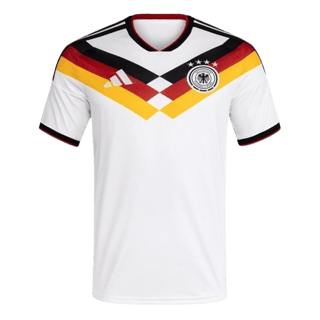
Kit
Recent Form
Upcoming Games
Schedule and matchup previews. Choose your location to compare odds.
No upcoming games scheduled
Check back later for the schedule
Recent Results
2W – 2L over the last 4 games


About Germany
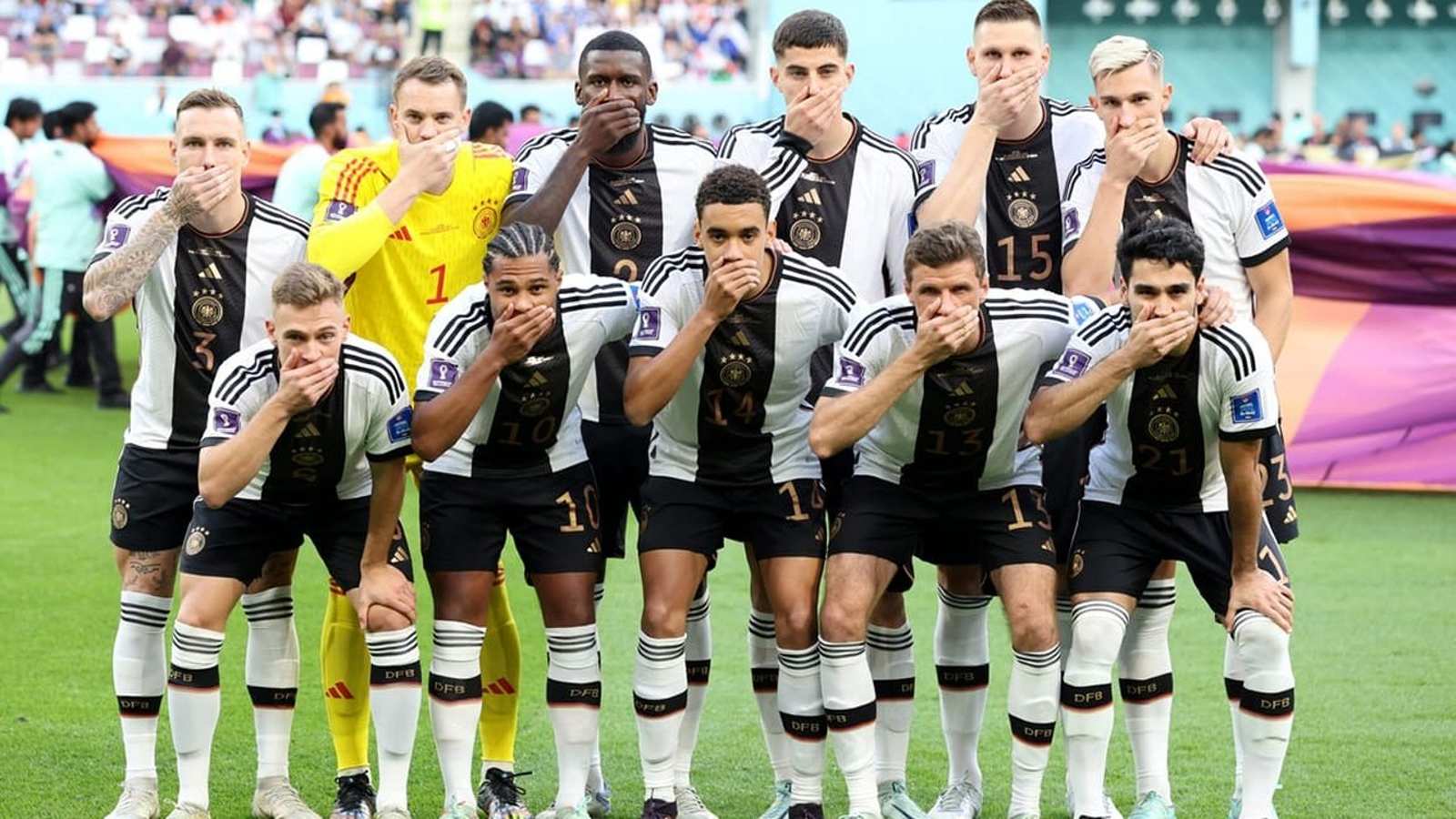
The Germany national football team (German: Deutsche Fußballnationalmannschaft or Die Mannschaft) represents Germany in men's international football and played its first match in 1908. The team is governed by the German Football Association (Deutscher Fußball-Bund), founded in 1900. Between 1949 and 1990, separate German national teams were recognised by FIFA due to Allied occupation and division: the DFB's team representing the Federal Republic of Germany (named West Germany from 1949–1990), the Saarland team representing the Saar Protectorate (1950–1956) and the East German team representing the German Democratic Republic (1952–1990). The latter two were absorbed along with their records; the present team represents the reunified Federal Republic. The official name and code "Germany FR (FRG)" was shortened to "Germany (GER)" following reunification in 1990. Germany is one of the most successful national teams in international competitions, having won four World Cups (1954, 1974, 1990, 2014), three European Championships (1972, 1980, 1996), and one Confederations Cup (2017). They have also been runners-up three times in the European Championships, four times in the World Cup, and a further four third-place finishes at World Cups. East Germany won Olympic Gold in 1976. Germany is the only nation to have won both the FIFA World Cup and the FIFA Women's World Cup. At the end of the 2014 World Cup, Germany earned the highest Elo rating of any national football team in history, with a record 2,205 points. Germany is also the only European nation that has won a FIFA World Cup in the Americas. The manager of the national team is Joachim Löw.
Also known as: Deutschland, Allemagne, Германия, ドイツ
Germany Roster
45 players


Where are you playing from?
Odds and sportsbooks are only shown for the market you're in, so we can list what's actually licensed there.
About the Germany
Follow the Germany all season with iGambling. This page tracks the upcoming International schedule, recent results and the club’s essential facts, and links through to head-to-head pages for every opponent.
Odds comparison, licensed sportsbook listings and betting guides for Germany matches are only shown once you choose a jurisdiction where sports betting is regulated. Pick your location to see what is available where you are.
Latest from Germany
Videos and posts straight from the club’s official channels.
Content provided by YouTube, Facebook.
YouTube
Open on YouTube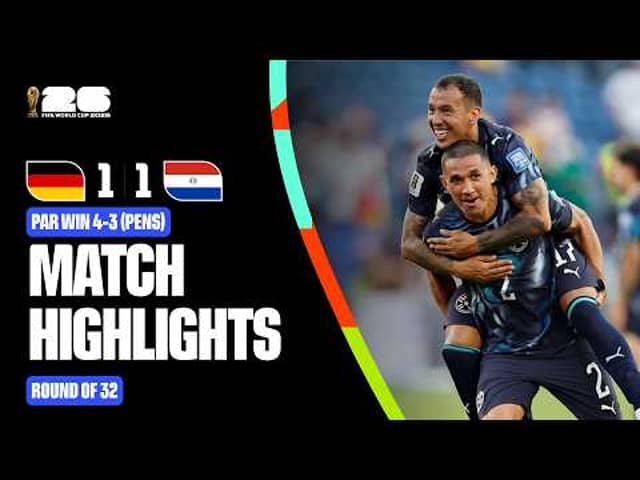
Highlights: Germany 4–5 Paraguay